

PBG vs IMB: What Investors Need to Know About Construction Permits in Indonesia
Learn the difference between PBG and IMB, why AMDAL matters, and how proper documentation protects your real estate investment in Indonesia.
Do you know what makes PBG different from IMB — and why it actually matters for your investment?
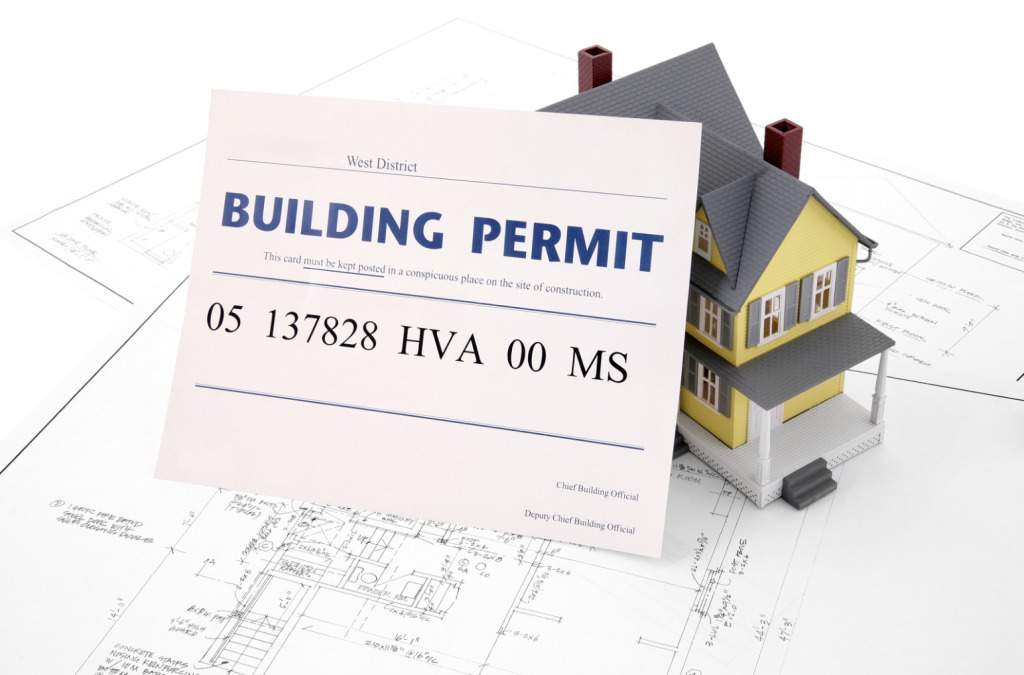
PBG (Persetujuan Bangunan Gedung) is the new-generation construction permit in Indonesia, introduced in 2021 to replace the outdated IMB system. In simple terms, if a property has PBG, it means the project has passed government verification and fully complies with current building regulations.
Now, here’s where things get more interesting. There’s also AMDAL — an environmental impact assessment (Analisis Mengenai Dampak Lingkungan). And this is not just a box to tick. Without AMDAL approval, large-scale developments in Indonesia simply cannot be commissioned or legally operated.
Think of it as a real stress test for the project. Authorities evaluate how construction affects the environment, infrastructure, and surrounding areas. No shortcuts here.
Today, we brought together our full team to align processes related to these documents across our projects. Honestly, meetings like this are just part of the routine. In Indonesia, documentation isn’t something you do once and forget — it requires constant coordination, deadlines management, and ongoing communication with government authorities.
So what does this mean for you as an investor?
Pretty straightforward: a project with both PBG and AMDAL is a project you can safely rent out, sell, or hand over to management without legal concerns. It’s not bureaucracy for the sake of bureaucracy — it’s the foundation that protects both the developer and every single investor involved.
ViBE Development operates fully within Indonesia’s legal framework.